

This post may contain affiliate links, which earn us commission. Learn more.
It happens to all of us. We sign up for a trial of an online service, thinking we have plenty of time to get back in there and cancel before our credit card is charged. Seven days later–or however long the trial was for–you find yourself with a massive bill and franticly email support for a refund. Depending on the company, you may get a big, fat “no”.
Adobe’s Not-So-Great Reputation
I’ve been in the creative field for a long time and have trialled numerous online services and softwares, from SEO keyword research tools to stock photo subscriptions and video editing software. And while I’m typically good about cancelling trials on-time, every so often I’ll forget about one and lowkey panic when I see my credit card statement.
In this situation, some services are more than happy to give you a refund. After all, it was an honest mistake and they’d rather you have a good customer experience than keep your money. Others, like Adobe, Inc. have strict policies, including “no refunds” for their annual (prepaid) Creative Cloud subscription, after a 14-day period.
One scenario where this is a problem–and trust me I’ve been there–involves freelancers. You try to save some money by signing up for the annual, prepaid Adobe CC subscription and work suddenly dries up. Need a refund? Sorry. Read the fine print. And this is true with every “cost-saving” subscription Adobe offers: every time you save up-front, you wave your right to some or all of a refund.
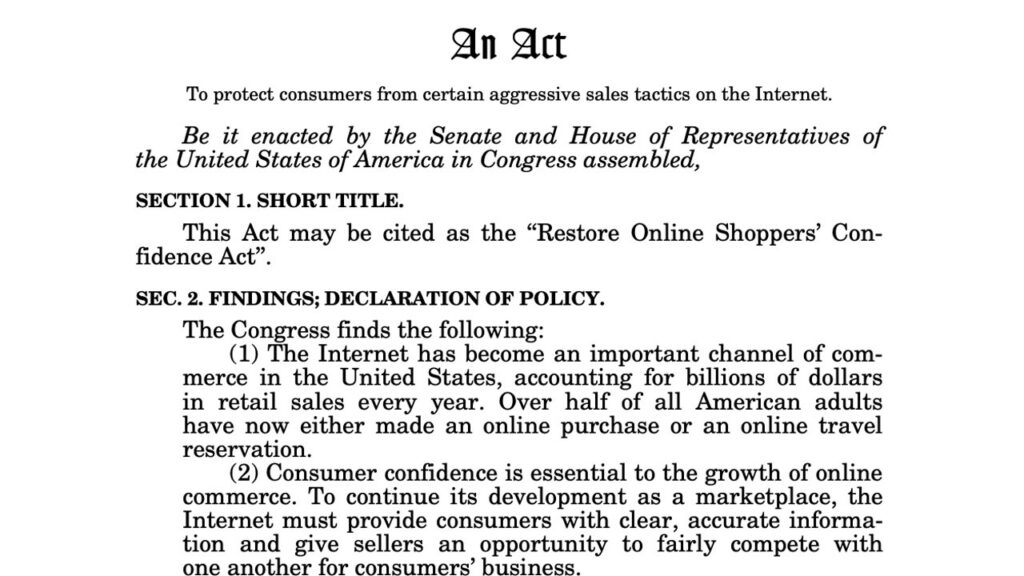
To be clear, I don’t disagree with all of the Adobe, Semrush (owned by Adobe, Inc) or Adobe Stock refund policies. There’s a balance between protecting your company’s interests and providing excellent customer service. However, according to the FTC’s investigation in 2024, Adobe deceived customers about early termination fees and inhibited cancellations. And while Adobe claimed no wrong-doing, they paid out a $150 million-dollar settlement for violations of the Restore Online Shoppers’ Confidence Act in March of 2026.
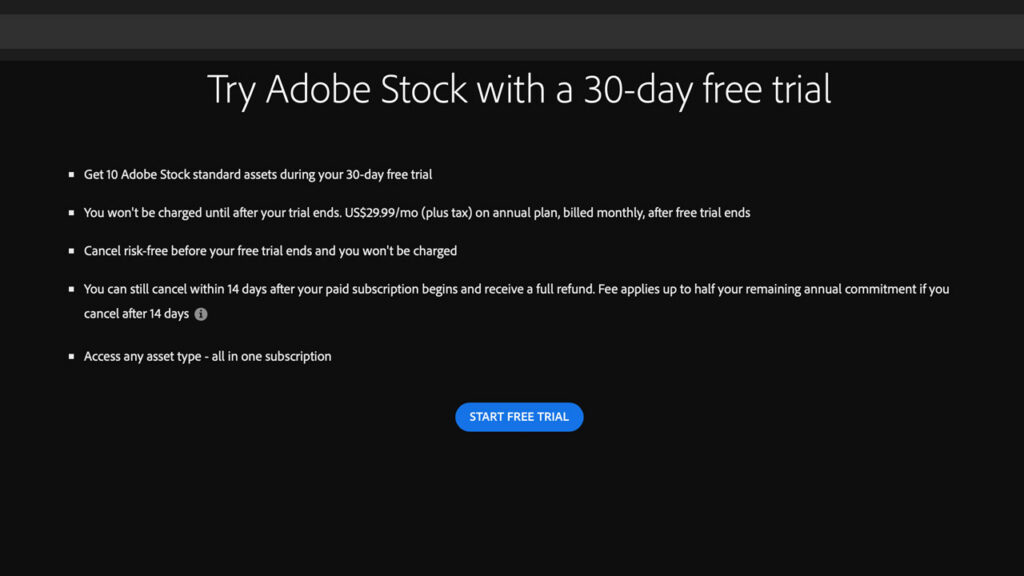
I will throw Adobe Stock a bone, here. They did a massive overhaul of their trial and refund policy since the last time I used it way back in 2021. I was locked into an entire year and was denied a refund despite not having used the service or any credits after the trial concluded. Now, they offer a 30-day trial with a full refund up to 14-days after the trial ends.
Don’t have such a forgiving trial subscription? What should you do to get your money back if you’re billed for a service you’re never going to use again? Here’s what I did and what you can try to get your hard-earned money back. Keep in mind this is not legal advice and I’m not a lawyer or legal expert, but this worked for me when I was recently charged $214.45 for an Semrush subscription after a 7-day trial.
Notification of Charge
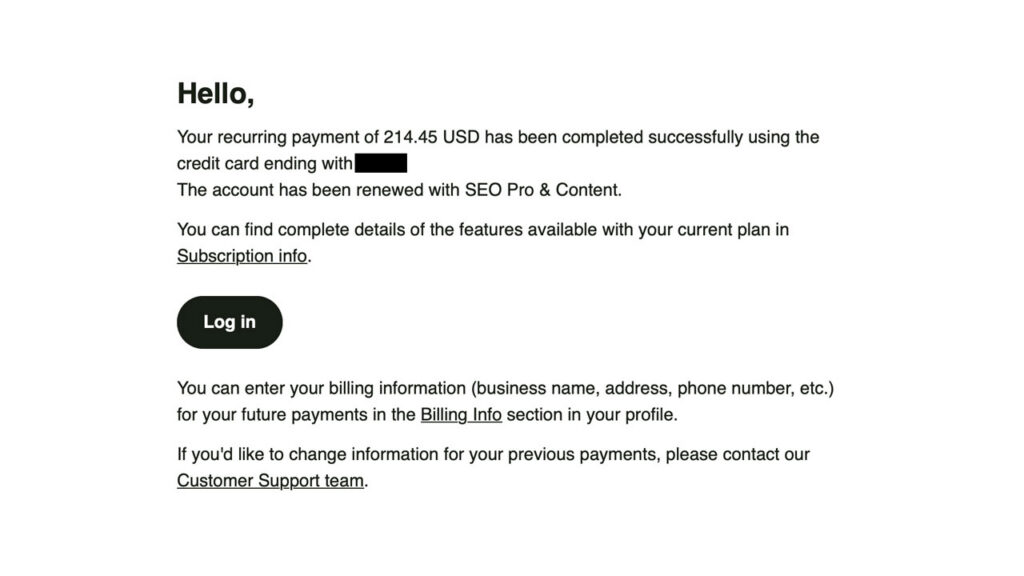
When you see a charge, immediately send a message to the service’s billing support. In my case, it was within a few minutes because I received a fraud alert from my credit card. I logged into my account and navigated to the support page, selected billing as the subject, and told them my situation.
When you’re writing support, ask for a refund politely, note that you sent a message immediately after being charged, and ask for a refund as a one-time courtesy. It’s extremely important to not cancel your subscription or delete your account. Doing so may prevent support from giving you a refund. As leverage, it’s also important to not use any account features after you’ve been charged.
From: Customer
To: Support
I have a question about my account or billingHi, my 7-day trial just ended and I’ve been billed but had no intention of continuing to use your service. I haven’t used your service since being billed and I’m emailing you immediately after seeing the charge. I’d appreciate a one-time refund as a courtesy, then please cancel my account. Thank you!
They will likely come back with something like this:
From: Support
To: Customer
Re: I have a question about my account or billingThanks for getting in touch. After reviewing your details, I can confirm your subscription renewal is cancelled. You currently have an active month-to-month subscription, and will be able to use it until the end of the term. We are unable to process a refund for month-to-month subscriptions (review our policy here).
When they say no, it’s time for the nuclear option.
From: Customer
To: Support
Re: I have a question about my account or billing[Name],
I am writing to formally escalate this issue regarding an auto-renewal charge of [amount] billed on [date] following a 7-day trial.I submitted my initial refund request within 60 minutes of the transaction occurring. I have not utilized any features or exported data during this paid billing period.
While I understand standard terms may outline a non-refundable policy, denying a refund requested within one hour of auto-renewal when zero services were rendered fails to meet reasonable consumer fairness standards and conflicts with modern subscription compliance framework guidelines (such as the FTC’s Restore Online Shoppers’ Confidence Act and California Automatic Renewal Law).
As a one-time good faith resolution, I request an immediate refund of [amount] back to my original payment method ending in [xxxx].
Please note that if this matter cannot be resolved amicably, I will have no choice but to escalate this through my payment provider by opening a credit card chargeback under “Services Not Rendered / Immediate Subscription Cancellation,” along with filing a formal consumer notice detailing auto-renewal trial practices.
I look forward to your prompt confirmation of the processed refund.
Sincerely,
[name]
Exactly 10 minutes later, I received an email notifying me that my refund was being processed along with an invoice.
Why This Worked
So why the sudden change of heart? Let’s break down the tactics we used to get our refund processed.
- Subscription companies can face massive penalties if their cancellation and auto-renewal disclosures aren’t crystal clear, so dropping legal frameworks like Restore Online Shoppers’ Confidence Act (ROSCA) and California Automatic Renewal Law (CARL) provides more than adequate incentive to drop the whole thing and give you your money back.
- We meantioned a chargeback with our credit card for reasons of “Services Not Rendered or Immediate Subscription Cancellation”. Payment processors like Visa and Mastercard penalize merchants who accumulate chargebacks and fighting disputes costs the merchant time and money.
- We established “zero usage” of the platform during the paid subscription period. The company had zero financial or proprietary data loss. At this point there’s very little left for them to argue with when denying you a refund.
- We threatened to file a formal consumer notice about auto-renewal trial practices. The primary place you would file this is with the FTC on their Report Fraud webpage. The last thing they want is the FTC opening a formal investigation.
Not a One-Size-Fits-All Solution
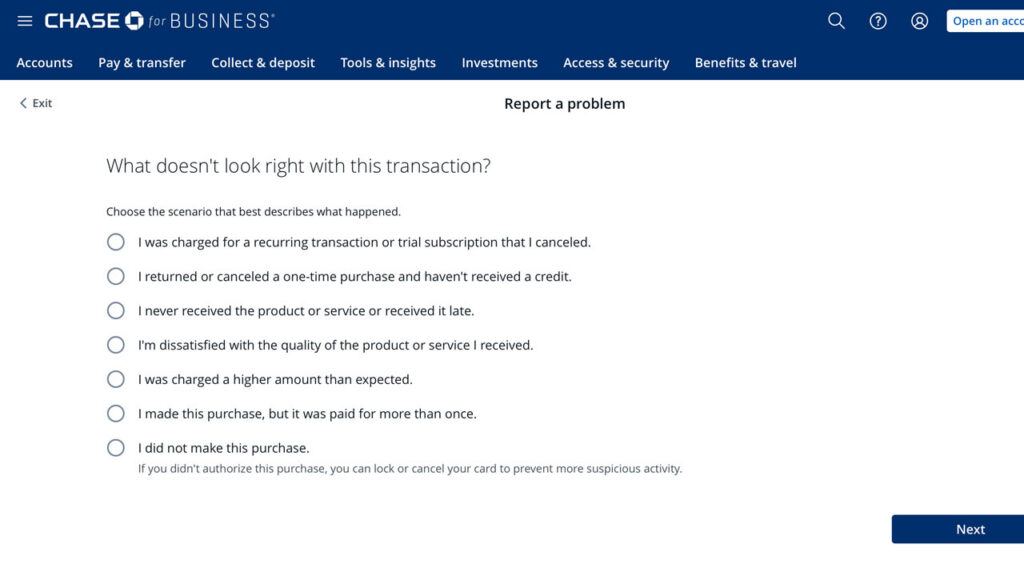
While this should work for most subscriptions, it’s not a guarantee. Thats why using a credit card with consumer protections is so important. If all else fails, you can try disputing the charge with your credit card as outlined in our dispute email. Some credit cards allow you to submit a dispute online, while others require you to call the number on the back of your card.
It’s Getting Better But We’re Not There Yet
I sincerely hope this article helped you get control of your hard-earned money. Too many services prey on consumers who make honest mistakes, and rather than doing the right thing, pocket your money for their super yachts. Legislation like ROSCA and CARL are steps in the right direction, but until we see credit card-free trials across all services, opt-ins to proceed past the initial trial, or notifications that your trial is ending–no matter how short the trial is–this will continue to happen.